-
Call Us:
512-593-7070


The therapies for trauma and PTSD with the strongest evidence are trauma-focused talk therapies: Cognitive Processing Therapy, Prolonged Exposure, trauma-focused CBT and EMDR. Medication can help alongside therapy, especially when sleep, mood or anxiety are affected. At Staats Psychiatric Services, many patients see both a therapist and a psychiatric provider on our team, so the two are planned together.
Trauma is a reaction to an event that overwhelms your ability to cope, such as an accident, assault, abuse, combat or a sudden loss. It can also build up over time, as with ongoing neglect or domestic violence.
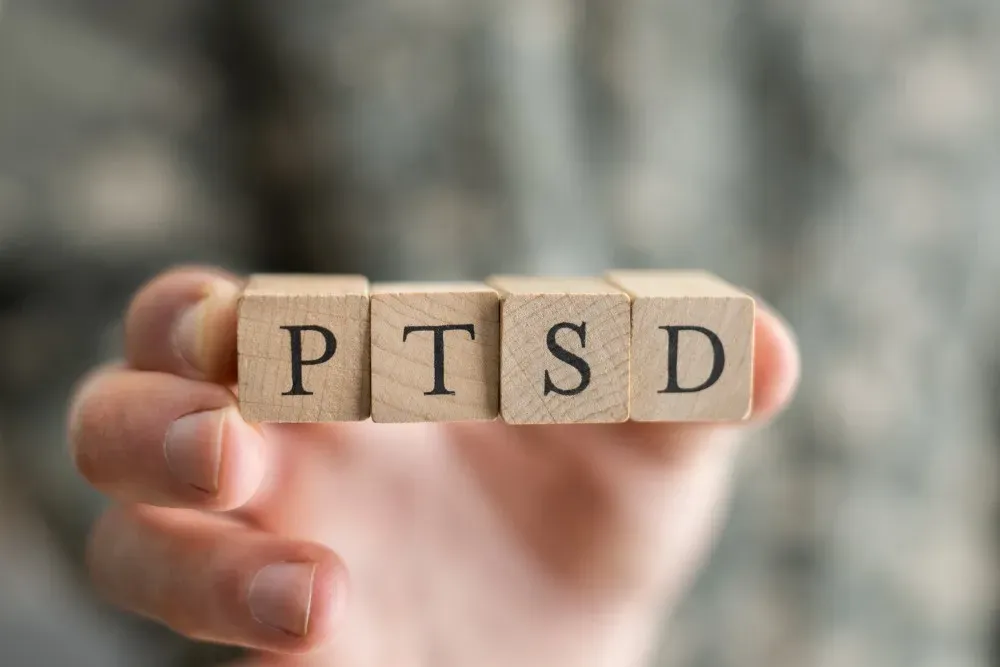
Strong reactions after a frightening event are normal and often fade within weeks. When symptoms last longer than a month and get in the way of daily life, a provider may diagnose post-traumatic stress disorder (PTSD). Symptoms fall into four groups:
Intrusive memories: flashbacks, nightmares or unwanted thoughts about the event.
Avoidance: staying away from people, places or conversations that bring up reminders.
Negative mood and thinking: guilt, shame, numbness or feeling distant from others.
Feeling on edge: startling easily, trouble sleeping or irritability.
PTSD often comes with depression, anxiety or substance use, so a full evaluation helps make sure treatment targets the right problems.
The goal of therapy is not to erase the memory but to make it lose its grip. Our therapy services are available for patients aged 16 and up, and our therapists, including Tyler Downing, Amanda Gayle and Lorri Frasier, adapt these approaches to each person.

A type of CBT built for PTSD, usually about 12 sessions. You work through “stuck points,” such as self-blame, that keep the trauma active. Many patients come away with less guilt and shame.
Avoidance brings short-term relief but keeps fear strong. With your therapist, you gradually revisit the memory and safe situations you have been avoiding until they stop feeling dangerous.
A structured approach that helps you spot and change unhelpful thoughts that formed after the event, with skills to practice between sessions. It is also adapted for teens and families.
You briefly focus on the memory while following side-to-side movements, which helps it feel less vivid and upsetting. EMDR does not require describing the trauma in detail, which some patients prefer.
Trauma-informed mindfulness can be added to any of these to lower stress and improve sleep.
Medication does not erase trauma, but it can ease symptoms enough for therapy to work. SSRIs and SNRIs such as sertraline, paroxetine and venlafaxine are common choices, and some medications target nightmares or sleep problems.
Our medication management providers, Owais Tirmizi, Psychiatrist; AnnMarie Staats, PMHNP-BC; LaSonda Michelle Courts, PMHNP-BC; and Jody Tudor, PMHNP-BC, FNP-BC, adjust your plan as you respond. When depression has not improved with oral antidepressants, we also offer Spravato at our Cedar Park office.
The best therapy is the one that fits you and that you can stick with. A few things to weigh:

Talking about the trauma: CPT and Prolonged Exposure discuss the event directly. EMDR needs less detail.
Your symptoms: severe sleep problems, depression or panic may call for medication alongside therapy.
Your age: teens often do well with trauma-focused CBT that involves the family.
Your schedule: therapy works in person or by telehealth. Showing up consistently matters more than the format.
A psychiatric evaluation is a good first step. It confirms the diagnosis and checks for related conditions.
We see patients in Cedar Park, TX and San Antonio, TX, with telehealth for those who prefer care from home. Your therapist and medication provider share progress and adjust the plan together, so you do not have to piece care together from separate offices. Learn more about how we treat PTSD or meet our team.